

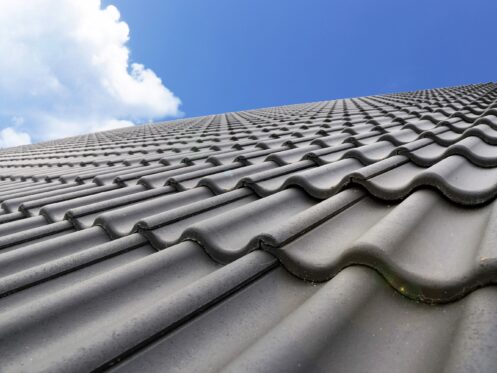
When most homeowners think about roof damage, they often picture winter storms and heavy rain. However, some roofing problems begin during the hottest months of the year. In Roseville, prolonged summer heat can cause roofing materials to expand and contract repeatedly, creating stress throughout the roofing system. Over time, this movement can contribute to cracked tiles, deteriorated sealants, and separated flashing. Understanding how heat affects your roof can help you identify potential issues early and avoid more costly repairs down the road.
Why Does Summer Heat Cause Roof Movement?
Every roofing system experiences thermal expansion and contraction. As temperatures rise during the day, roofing materials expand. When temperatures cool in the evening, those materials contract. This daily cycle occurs throughout the summer and can place significant stress on a roof over time.
Roof surfaces often become much hotter than the surrounding air temperature due to direct sunlight. In a climate like Roseville’s, where summer temperatures frequently climb into the 90s and beyond, roofing materials can experience substantial heat exposure day after day.
While this movement is normal, repeated expansion and contraction affect more than just the roof covering itself. Sealants, flashing, fasteners, and other roofing components are all subjected to the same forces, increasing the potential for wear as the roof ages.
How Does Thermal Expansion Lead to Cracked Roof Tiles?
Tile roofing is known for its durability and long lifespan, which is one reason it remains a popular choice throughout California. However, even durable roofing materials are affected by years of thermal movement.
As tiles repeatedly expand and contract, small imperfections can gradually become larger. Existing hairline cracks may worsen, and vulnerable areas around fasteners or edges can become more susceptible to damage.
Heat-related movement is not always the sole cause of cracked tiles. Factors such as age, foot traffic, falling debris, and previous repairs can also contribute to deterioration. When these conditions combine with ongoing thermal stress, the likelihood of tile damage increases.
Homeowners with tile roofing systems should consider periodic inspections to identify cracked or displaced tiles before they create opportunities for water intrusion. Learn more about our tile roofing services.
Why Do Roof Sealants Fail During California Summers?
Roof sealants play an important role in protecting vulnerable areas where water could potentially enter the roofing system. These materials are designed to remain flexible, but years of exposure to sunlight and high temperatures can take a toll.
Ultraviolet radiation and prolonged heat can cause sealants to dry out, shrink, crack, or lose their ability to adhere properly. Once this occurs, gaps may develop around roof penetrations and other critical roofing components.
Common warning signs of sealant failure include visible cracking, separation, brittleness, and shrinking. Because these issues often develop gradually, many homeowners do not notice them until a leak occurs.
Regular inspections can help identify deteriorating sealants before they compromise the roof’s ability to protect the home.
What Happens When Flashing Separates?
Flashing is installed around some of the most leak-prone areas of a roof, including chimneys, skylights, plumbing vents, valleys, and roof-to-wall transitions. Its purpose is to direct water away from vulnerable joints and openings.
As roofing materials move over time, flashing can loosen, shift, or separate from surrounding components. Even small gaps may allow water to enter the roofing system during future rain events.
One challenge with flashing problems is that they often remain hidden until moisture reaches the home’s interior. By the time water stains appear on ceilings or walls, damage may already exist beneath the roofing materials.
Addressing flashing concerns early can help prevent more extensive repairs later.
What Should Roseville Homeowners Watch For?
Summer is a good time to pay attention to signs of roofing wear that may indicate heat-related movement.
- Cracked or displaced roof tiles
- Deteriorated or separated sealants
- Visible flashing gaps
- Water stains in ceilings or attics
- Loose roofing materials
If you notice any of these issues, scheduling a professional roof repair inspection can help determine whether corrective action is needed before the rainy season arrives.
Why Professional Roof Inspections Matter
Many roofing problems caused by thermal movement are difficult to identify from the ground. Professional inspections allow experienced roofing contractors to spot developing issues before they lead to leaks or structural damage.
Since 1994, Clark's Gables Roofing has provided reliable roofing services for homeowners throughout the Roseville area. As a BBB-accredited and top-rated company, we focus on responsive service, top-quality workmanship, and durable materials that help protect homes from California’s demanding climate. We also complete almost any roofing project within three days and provide free, no-obligation estimates.
Identifying small problems early can often help homeowners avoid larger and more expensive repairs later.
Schedule a free, no-obligation roof inspection with Clark's Gables Roofing and let our experienced team identify potential summer heat damage before it becomes a costly repair.


